
2023 Was A Very Good Year For Biglaw Firms To Increase Their Billable Rate
Industry experts are predicting more rate hikes next year too.
Industry experts are predicting more rate hikes next year too.
That's still a lot of money.
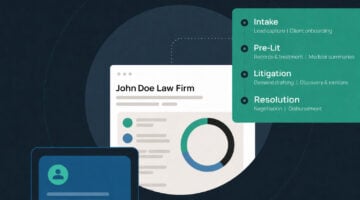
Every new tool a PI firm buys solves one problem and connects nothing. The real fix isn't another purchase — it's keeping the whole case in one place, from accident to resolution. Here's how.
At least three Biglaw firms are charging $1,000+ for associates' time.

In-house columnist Mark Herrmann identifies what looks like the wave of the future.
How do billable rates vary across practice areas?
For high-stakes stuff, we may be stuck with the billable hour, but for everything else, the billable hour is doomed.

Introducing Axiom’s 2027 In-House Legal Budget Report. Read on to see the details.

The embattled media company has hired high-priced talent to help it through its troubles.
Is this boss cheating employees? One lawsuit says yes.
Want something worse (or at least less reliable) than even regular legal bills? Shadow bills.

Appearing before the high court involves high billing rates -- but that doesn't make those rates unreasonable.
Confronting Biglaw’s ‘snake eating its own tail’ problem.
What does the rise of alternative fee arrangements mean for both law firms and their clients?
How much was this superstar attorney trying to charge his client?
As the economy settles, so will Biglaw.
In-house columnist Mark Herrmann wants to know: why do outside law firms keep proposing such insulting alternative-fee arrangements?
What trends can we see from looking at a recent survey of legal spending by corporate clients?